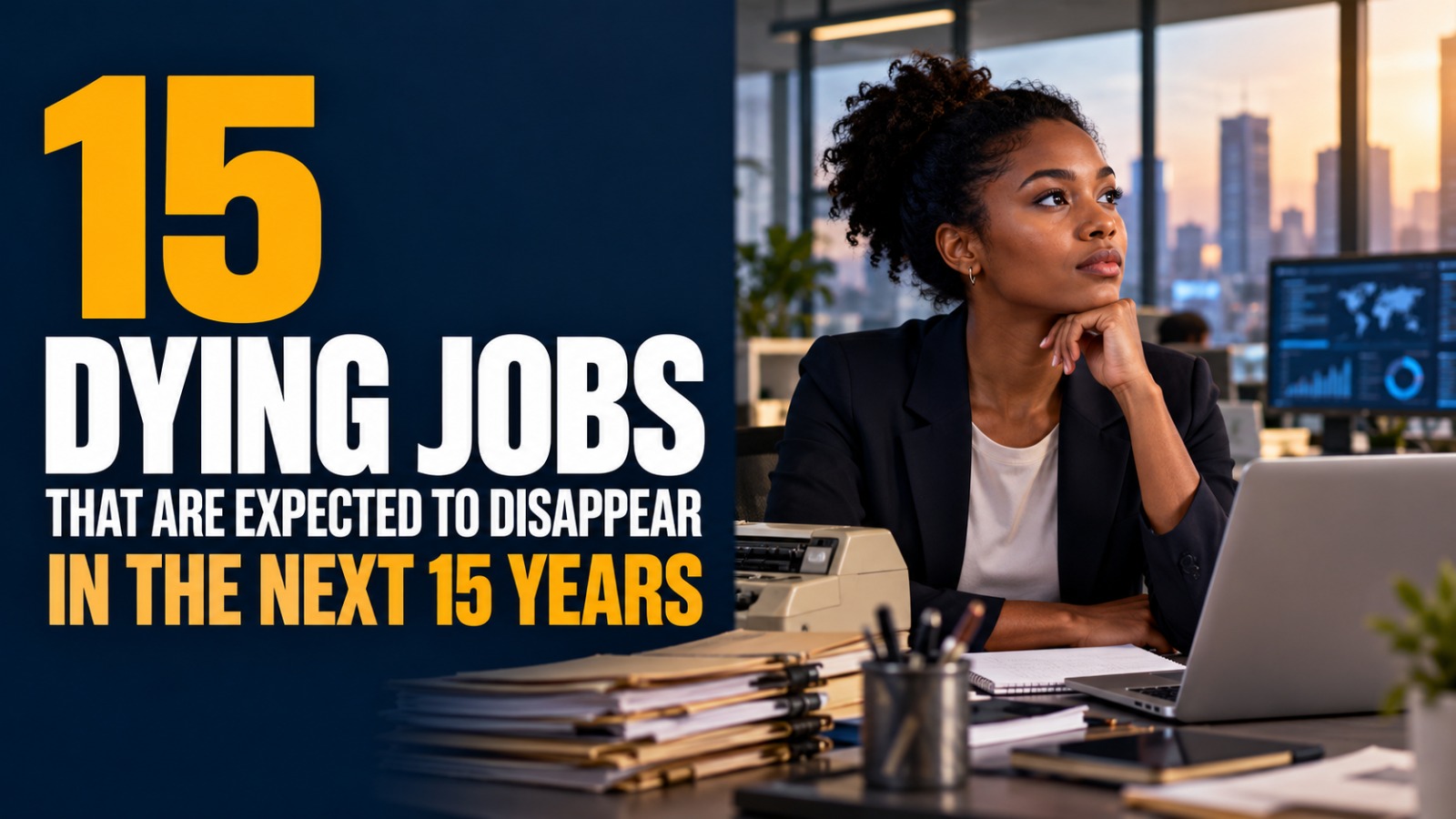


Will AI lead to mass job losses, or is it an opportunity for governments and businesses to grasp? That was the question at the heart of a special BBC Question Time programme dedicated to artificial intelligence. With AI now touching everything from customer service to creative work, the debate is no longer theoretical — and the answers given by the panel matter for workers everywhere.
Watch the full BBC News panel discussion below, then read the key takeaways.
Watch on YouTube: https://www.youtube.com/watch?v=fpHOCyFesxI
Who was on the panel
The BBC Question Time AI special brought together three voices from inside the AI industry:
1. Mo Gawdat — AI pioneer, former chief business officer of Google X and author of Scary Smart, who has spent years warning about the pace of AI development.
2. Victor Riparbelli — CEO of Synthesia, one of the world's leading AI video companies.
3. Laura Gilbert — senior director of AI at the Tony Blair Institute for Global Change, advising governments on how to prepare for AI.
The warning: we should be worried about unemployment
The most striking moment of the discussion came from Mo Gawdat, who did not sugar-coat the risk: yes, we should be worried about unemployment. His argument, which he has made consistently, is that AI is advancing faster than society is preparing for it — and that routine, predictable jobs are the most exposed.
The concern is not science fiction. Around the world, automation and AI tools are already absorbing tasks that used to employ people: answering routine customer questions, processing documents, writing standard reports, translating and generating media. The BBC panel debated whether enough new jobs will emerge to replace the ones being displaced — and whether the transition will be fast enough for ordinary workers.
The opportunity: a chance for those who move early
Yet the same panellists also stressed the other side of the story. AI is not only a threat — it is a productivity tool. Businesses that adopt it early can grow faster, serve more customers and create new kinds of work. Governments that plan for it can retrain workers and attract investment instead of watching jobs disappear.
For individuals, the message was clear: those who learn to use AI tools — rather than compete against them — stand the best chance of staying valuable in the new economy. History supports this. Past technological revolutions destroyed some jobs, created others, and rewarded the people who adapted first.
What this means for job seekers worldwide
The debate happening in the world's biggest economies applies everywhere. Every country's workforce faces the same question: prepare for AI now, or be caught unprepared later.
1. Skill up on AI tools. Learn to use AI for writing, research, data analysis and design. Workers fluent in these tools are already more employable.
2. Move toward judgement-based work. Roles that need human judgement, client trust, creativity and physical presence are harder to automate.
3. Do not abandon the fundamentals. Strong communication, problem-solving and adaptability transfer to any economy, AI or not.
4. Watch the trend, not the panic. Jobs are shifting more than disappearing — the winners will be those who keep learning.
Bottom line
The BBC panel agreed on one thing even where they disagreed on everything else: AI is changing the jobs market now, not someday. The right response is neither fear nor denial — it is preparation. Learn the tools, build transferable skills, and stay ahead of the shift. The future of work will belong to those who adapt earliest.
Source: BBC News — YouTube channel: https://www.youtube.com/@BBCNews